Performance Marketing in the Middle East: A Practical 2026 Guide
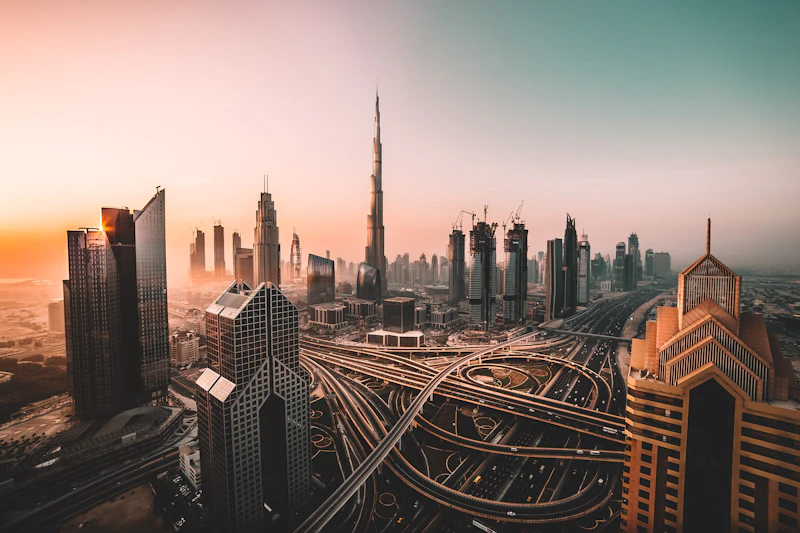
The GCC markets — Saudi Arabia, the UAE, Kuwait, Qatar, Bahrain, and Oman — represent a performance marketing environment with characteristics that don't map cleanly onto either Western or Asian market playbooks. Mobile-first behavior is more extreme here than almost anywhere else globally: smartphone penetration in Saudi Arabia and the UAE exceeds 95%, and mobile accounts for over 75% of digital media consumption. Consumers in the Gulf are also among the highest-spending per capita in the digital economy globally, with e-commerce, entertainment, travel, and luxury categories all generating strong online transaction volumes. The opportunity is real and large.
Snapchat's importance in the GCC is the single most underestimated platform dynamic for international marketers entering the region. In Saudi Arabia particularly, Snapchat daily active usage and time-spent metrics rival or exceed Instagram, and the platform has developed a sophisticated advertising ecosystem that most international media planners don't know how to use because it's largely irrelevant in their home markets. Brands that have built genuine Snapchat capability for GCC markets — understanding the content formats, the AR features, and the audience segmentation tools — are accessing high-intent consumer segments at CPMs that are significantly lower than the equivalent audience on platforms that Western media teams know better.
Arabic-language creative is non-negotiable for any performance marketing program that aims to reach beyond the expatriate population in GCC markets. Modern Standard Arabic is not the same as Gulf colloquial Arabic, and the difference matters for emotional resonance and conversion. Saudi audiences respond to Najdi dialect cues in a way they don't to MSA, and the same is true for Emirati audiences with their own colloquial patterns. Beyond language, creative norms in Gulf markets reflect cultural values around modesty, family, and social aspiration that are meaningfully different from Western advertising conventions. Creative that runs unmodified from a European or American campaign may perform technically — it shows, it delivers impressions — but it doesn't land.
Ramadan is the single largest marketing moment in the Middle East and it requires dedicated planning, dedicated budget, and creative that's specifically developed for the occasion rather than adapted from evergreen campaigns. Consumer spending patterns during Ramadan are distinctive: major purchases and gifting are concentrated in the pre-Iftar and post-Tarawih time windows, emotional content themes shift toward family, generosity, and reflection, and competition for attention across all platforms intensifies significantly. Brands that plan their Ramadan campaigns in February rather than October are already behind. The organizations seeing strong Ramadan performance have been in market planning for the period four to five months in advance.
The influencer ecosystem in the Gulf deserves its own section because it functions differently from influencer markets in Western countries. Trust relationships between audiences and creators are strong, conversion rates from well-matched influencer partnerships are high, and the mid-tier creator segment — 100,000 to 500,000 followers — frequently outperforms mega-influencers on a cost-per-acquisition basis because the audience relationships are tighter. The critical variable is authenticity of fit: Gulf audiences are quick to identify and dismiss partnerships that feel commercial and poorly matched, and the reputational risk of a tone-deaf influencer collaboration in a market where word-of-mouth travels through dense social networks is higher than in more fragmented Western media environments.